The Essentials of – 101

Understanding the Importance of Trucking Companies in the Supply Chain

In today’s global economy, trucking companies play a vital role in the distribution and transportation of goods. They form the backbone of the supply chain, moving a significant amount of freight across vast distances. From raw materials to finished products, trucking services are crucial for ensuring that businesses receive what they need in a timely manner. The efficiency and reliability of trucking operations can greatly impact the overall productivity and profitability of various industries.

One of the primary advantages of trucking companies is their flexibility. Trucks can access locations that are often difficult for larger freight carriers, such as railways and airports, making them ideal for last-mile delivery. This adaptability means that businesses can rely on trucking services to reach various markets, whether urban or rural. Moreover, with the rise of e-commerce, the demand for quick, reliable freight solutions has never been higher, showcasing the trucking industry’s ability to meet customer expectations for speed and efficiency.

In addition to flexibility, trucking companies often provide a range of specialized services tailored to the needs of different sectors. For instance, some companies specialize in transporting temperature-sensitive goods, such as food and pharmaceuticals, while others focus on heavy freight or hazardous materials. This specialization allows trucking companies to adopt best practices and leverage technology to enhance their services, ensuring safe and efficient transport for all cargo types. By aligning with the specific requirements of various industries, trucking companies can strengthen their competitive advantage.

As the trucking industry continues to evolve, the integration of technology has become increasingly important. From GPS tracking to advanced route optimization software, technological innovations are helping trucking companies improve their operational efficiency and reduce costs. Additionally, the rise of electric and autonomous vehicles promises to reshape the industry, offering opportunities for greater sustainability and resource efficiency. As businesses and consumers alike demand more eco-friendly solutions, trucking companies that embrace these advancements will likely lead the way in future transportation trends.

In conclusion, trucking companies are indispensable in the world of logistics and supply chain management. Their ability to provide flexible, specialized services combined with the integration of modern technology positions them as crucial players in the economy. As the landscape of transportation continues to change, the trucking industry must adapt and innovate to meet the growing demands of customers and sustainability goals. By doing so, they will not only support their clients’ success but also contribute to the overall efficiency of the supply chain.

What Research About Can Teach You

Understanding

Learning The Secrets About

The Art of Fine Grinding: Understanding the Slow Speed Granulator

When it comes to processing materials, the choice of granulator can make all the difference in the quality of the final product. Among the various types of granulators available, the slow speed granulator stands out for its unique characteristics and advantages. In this article, we will delve into the world of slow speed granulators, exploring their working principles, benefits, and applications.

1. What is a Slow Speed Granulator?

A slow speed granulator is a type of granulation equipment that uses a slow rotational speed to break down materials into smaller particles. Unlike high-speed granulators, which rely on rapid rotation to achieve granulation, slow speed granulators use a slower and more controlled process to produce a more uniform and consistent product.

2. Working Principle

The slow speed granulator works by feeding the material to be processed into a rotating drum or chamber. The drum is equipped with a series of cutting blades or pins that rotate at a slow speed, typically between 10-50 RPM. As the material is fed into the drum, the cutting blades or pins break it down into smaller particles, which are then collected and processed further.

3. Benefits

The slow speed granulator offers several benefits over traditional high-speed granulators. One of the most significant advantages is the reduced risk of over-processing, which can lead to the production of fine particles or even dust. The slow and controlled process of the slow speed granulator ensures that the material is processed to the desired particle size, without over-processing or under-processing.

Another benefit of the slow speed granulator is its ability to handle a wide range of materials, from soft and fragile to hard and abrasive. The slow speed and controlled process of the granulator allow it to process materials that would be difficult or impossible to process using high-speed granulators.

4. Applications

The slow speed granulator has a wide range of applications across various industries. One of the most common applications is in the production of pharmaceuticals, where the granulator is used to process raw materials into a uniform and consistent powder. The slow speed granulator is also used in the production of food products, such as spices, herbs, and coffee, where the granulator is used to process the material into a uniform particle size.

In addition to pharmaceuticals and food products, the slow speed granulator is also used in the production of cosmetics, where the granulator is used to process raw materials into a uniform and consistent powder. The slow speed granulator is also used in the production of chemicals, where the granulator is used to process raw materials into a uniform and consistent powder.

5. Design and Construction

The design and construction of the slow speed granulator are critical to its performance and effectiveness. The granulator is typically made from stainless steel or other durable materials to ensure that it can withstand the rigors of processing a wide range of materials. The cutting blades or pins are designed to be durable and resistant to wear and tear, ensuring that they can withstand the repeated use and processing of materials.

6. Maintenance and Cleaning

The maintenance and cleaning of the slow speed granulator are critical to its performance and effectiveness. The granulator should be regularly cleaned and maintained to ensure that it remains in good working condition. This includes cleaning the cutting blades or pins, as well as the drum or chamber, to ensure that they remain free from debris and contamination.

7. Safety Considerations

The slow speed granulator is a safe and reliable piece of equipment, but it is still important to take safety precautions when operating the granulator. This includes ensuring that the granulator is properly installed and maintained, as well as ensuring that the operator is properly trained and equipped to operate the granulator.

8. Conclusion

In conclusion, the slow speed granulator is a versatile and effective piece of equipment that offers a range of benefits and applications. Its slow and controlled process ensures that materials are processed to the desired particle size, without over-processing or under-processing. The slow speed granulator is used in a wide range of industries, including pharmaceuticals, food products, cosmetics, and chemicals. By understanding the working principles, benefits, and applications of the slow speed granulator, you can make informed decisions about the best granulation equipment for your specific needs.

How to Achieve Maximum Success with

The Key Elements of Great

Getting Creative With Advice

The Art of Custom Plaques: A Guide to Creating Lasting Impressions

When it comes to commemorating special occasions, events, or individuals, custom plaques have become a popular choice for many. These personalized tokens of appreciation can be used to recognize achievements, mark milestones, or simply to express gratitude. In Fort Worth, TX, custom plaques have become a staple in the city’s rich history and cultural heritage. From historic landmarks to modern-day tributes, custom plaques have played a significant role in preserving the city’s legacy.

One of the primary reasons custom plaques have gained popularity is their versatility. They can be designed to fit any occasion, from corporate awards to personal tributes. Whether you’re looking to recognize a team’s hard work or commemorate a loved one’s passing, custom plaques can be tailored to meet your specific needs. Additionally, they can be made from a variety of materials, including wood, metal, and glass, allowing you to choose the perfect medium for your message.

In Fort Worth, custom plaques have been used to recognize the city’s rich cultural heritage. The city is home to a thriving arts scene, and custom plaques have been used to commemorate the contributions of local artists and musicians. For example, the Fort Worth Symphony Orchestra has used custom plaques to recognize the contributions of its musicians and patrons. Similarly, the city’s museums and galleries have used custom plaques to recognize the achievements of local artists and collectors.

Custom plaques have also been used to recognize the city’s military heroes. The Fort Worth Veterans Memorial, located in the city’s historic downtown area, features a series of custom plaques honoring the city’s veterans. Each plaque bears the name and photo of a local veteran, along with a brief description of their service. This memorial serves as a powerful reminder of the sacrifices made by Fort Worth’s military personnel and their families.

In addition to their aesthetic appeal, custom plaques also serve as a valuable historical record. They provide a tangible connection to the past, allowing future generations to learn about and appreciate the achievements of those who came before them. In Fort Worth, custom plaques have been used to commemorate the city’s early settlers and pioneers, as well as its more recent achievements in fields such as medicine and technology.

When it comes to designing a custom plaque, there are several factors to consider. First and foremost, you’ll need to decide on the type of material you want to use. Wood, metal, and glass are all popular options, each with its own unique characteristics and advantages. You’ll also need to consider the size and shape of the plaque, as well as the font and color scheme you’ll use for the text.

Another important consideration is the message you want to convey. Will you be recognizing a specific achievement or milestone, or simply expressing gratitude? Will you be using a formal or informal tone? Answering these questions will help you to create a custom plaque that is both meaningful and effective.

In Fort Worth, custom plaques have become an integral part of the city’s cultural landscape. From historic landmarks to modern-day tributes, they serve as a powerful reminder of the city’s rich history and cultural heritage. Whether you’re looking to recognize a team’s hard work or commemorate a loved one’s passing, custom plaques can be tailored to meet your specific needs.

In conclusion, custom plaques are a powerful way to recognize and commemorate special occasions, events, or individuals. With their versatility, aesthetic appeal, and historical significance, they have become a staple in Fort Worth, TX, and beyond. Whether you’re looking to create a lasting impression or simply express gratitude, custom plaques are an excellent choice. By considering the type of material, size, shape, font, and color scheme, as well as the message you want to convey, you can create a custom plaque that is both meaningful and effective.

A Simple Plan For Investigating

Understanding

Finding Ways To Keep Up With

**High-Performance RF Circulator for Reliable Signal Routing**

An RF circulator is a crucial component in many radio frequency and microwave systems, enabling the seamless and efficient routing of signals in a controlled manner. These non-reciprocal, three-port devices are designed to direct an RF signal from one port to the next in a sequential manner, allowing for improved isolation between system components and reduced signal interference. A high-performance RF circulator is especially important in applications where reliability and precision are paramount, such as telecommunications, radar systems, satellite communications, and medical imaging technologies.

The core function of an RF circulator is to control the direction of signal flow, typically ensuring that signals entering port one exit through port two, and signals entering port two exit through port three. Signals entering port three then flow back to port one, completing the cycle. This one-way routing of signals helps prevent backflow and minimizes signal reflection, which is essential for maintaining signal integrity in complex systems. The circulator’s ability to isolate transmission and reception paths, especially in systems sharing a single antenna, significantly enhances operational efficiency.

What sets a high-performance RF circulator apart is its ability to operate effectively under demanding conditions, including high frequencies, high power levels, and wide temperature ranges. These circulators are engineered with precision magnetic materials and advanced ferrite technology, which enable consistent performance and durability. A carefully designed magnetic bias field, usually created by permanent magnets, allows for non-reciprocal behavior, ensuring the correct directional flow of signals.

In modern communication systems, the use of high-frequency bands requires components that can function without degradation at gigahertz levels. A high-performance RF circulator meets these needs by maintaining low insertion loss, high isolation between ports, and excellent return loss. These parameters ensure that most of the signal power is transmitted in the intended direction with minimal loss and interference, contributing to clearer communication and more reliable system operation.

The versatility of RF circulators also makes them a key part of many diverse systems. In radar systems, they help isolate transmitted and received signals, allowing a single antenna to perform both tasks. In satellite communications, they protect sensitive receiving equipment from high-power transmission signals. In medical applications such as MRI machines, they contribute to accurate imaging by ensuring signal fidelity. In all these cases, performance and reliability are critical, and the circulator must function without failure in high-stakes environments.

Moreover, the compact design of many modern RF circulators allows for easy integration into densely packed electronic systems. This is particularly important in mobile and remote systems where space is limited, and reliability cannot be compromised. As the demand for faster data speeds and more complex wireless systems grows, the role of high-performance circulators becomes even more vital.

In conclusion, a high-performance RF circulator is a foundational component in any system where precise signal routing and minimal interference are required. Its ability to maintain clear directional signal flow, combined with durability and low loss, makes it indispensable in today’s RF and microwave technologies. For engineers and system designers, choosing the right circulator can make the difference between a robust, efficient system and one plagued by signal issues and inefficiencies.

Finding Ways To Keep Up With

Overwhelmed by the Complexity of ? This May Help

Smart Tips For Uncovering

The Power of Secure Document Destruction: A Guide to Heavy Duty Industrial Shredders

In today’s digital age, data security has become a top priority for businesses and organizations of all sizes. With the increasing threat of cyber attacks and data breaches, it’s essential to take proactive measures to protect sensitive information. One crucial step in maintaining data security is implementing a reliable document destruction process. This is where heavy duty industrial shredders come into play, providing a powerful solution for securely disposing of confidential documents.

Heavy duty industrial shredders are designed to handle large volumes of paper and other materials, making them an ideal choice for businesses with high document turnover rates. These machines are built to withstand heavy use and can shred a wide range of materials, including paper, cardboard, and even plastic. With their robust construction and advanced features, heavy duty industrial shredders offer a level of security and efficiency that’s hard to match.

When selecting a heavy duty industrial shredder, there are several factors to consider. First and foremost, you’ll want to think about the volume of documents you need to shred on a regular basis. If you’re dealing with a high volume of paperwork, you’ll want a shredder that can keep up with your needs. You’ll also want to consider the type of materials you need to shred, as well as any specific security features you require.

In addition to their heavy-duty construction, heavy duty industrial shredders often come equipped with advanced security features. These may include features such as automatic oiling systems, which help to extend the life of the shredder, and advanced cutting systems, which provide a high level of security and confidentiality. Some shredders may also come with additional features, such as noise reduction systems or automatic document feeders.

When it comes to choosing the right heavy duty industrial shredder for your business, it’s essential to consider your specific needs and requirements. You’ll want to think about the space you have available, as well as any local regulations or guidelines that may apply. You may also want to consider the cost of the shredder, as well as any ongoing maintenance or repair costs.

In addition to their practical benefits, heavy duty industrial shredders can also provide a number of environmental benefits. By shredding documents and other materials, you can reduce the amount of waste that ends up in landfills and incinerators. This can help to minimize your business’s carbon footprint and contribute to a more sustainable future.

When it comes to implementing a document destruction process, it’s essential to follow a few key guidelines. First, you’ll want to ensure that all sensitive documents are properly identified and segregated. This may involve using color-coded bins or labels to indicate which documents are confidential. You’ll also want to ensure that all documents are properly shredded, using a heavy duty industrial shredder or other secure destruction method.

In addition to shredding documents, you may also want to consider other secure destruction methods, such as burning or pulping. These methods can provide an additional level of security and confidentiality, and may be required by local regulations or guidelines. It’s essential to follow all applicable laws and regulations when it comes to document destruction, and to take steps to ensure that your business is in compliance.

By implementing a reliable document destruction process, you can help to protect your business from the risks associated with data breaches and cyber attacks. Heavy duty industrial shredders are a powerful tool in this process, providing a level of security and efficiency that’s hard to match. By choosing the right shredder for your business and following a few key guidelines, you can help to ensure that your sensitive documents are properly destroyed and your business remains secure.

Tips for The Average Joe

5 Key Takeaways on the Road to Dominating

Case Study: My Experience With

The Healing Hands of Calgary: Unlocking the Benefits of Massage Therapy

As a resident of Calgary, you’re likely no stranger to the demands of everyday life. Between work, family, and social responsibilities, it’s easy to get bogged down and forget to prioritize your own well-being. That’s where a massage therapist in Calgary comes in – a highly skilled professional dedicated to easing tension, alleviating pain, and promoting overall relaxation.

But what exactly is massage therapy, and how can it benefit you? Let’s take a deeper dive into the world of massage and explore the many advantages of incorporating this holistic practice into your self-care routine.

What is Massage Therapy?

Massage therapy is a form of manual therapy that involves the manipulation of soft tissues – such as muscles, tendons, and ligaments – to promote relaxation, reduce pain and stiffness, and improve overall function. Through a series of gentle, flowing strokes, kneads, and pressure techniques, a licensed massage therapist can help release tension and improve circulation, allowing you to feel more relaxed, rejuvenated, and revitalized.

Benefits of Massage Therapy

1. Reduces Stress and Anxiety

Living in Calgary can be stressful, and it’s easy to feel overwhelmed by the demands of daily life. Massage therapy has been shown to decrease stress hormones, such as cortisol, and increase the production of feel-good neurotransmitters like serotonin and dopamine. Regular massage sessions can help you feel more calm, centered, and empowered to tackle the challenges of everyday life.

2. Relieves Chronic Pain

Chronic pain is a common complaint in Calgary, and it can be a significant obstacle to overall well-being. Massage therapy has been shown to reduce pain perception, increase flexibility, and improve joint mobility – making it an effective tool for managing chronic pain.

3. Improves Sleep

Getting a good night’s sleep is essential for overall health and well-being. But for many Calgarians, insomnia and restlessness are a constant companion. Massage therapy has been shown to improve sleep quality, increase the amount of deep sleep, and reduce symptoms of insomnia.

4. Boosts Immune Function

Massage therapy has been shown to increase the production of natural killer cells, which are essential for fighting off infections and diseases. By incorporating massage into your self-care routine, you can give your immune system a much-needed boost.

5. Enhances Athletic Performance

Whether you’re an avid golfer, swimmer, or runner, massage therapy can be a game-changer for athletes in Calgary. By reducing muscle tension, improving circulation, and increasing flexibility, massage can help you perform at your best and recover more quickly from intense physical activity.

Finding a Massage Therapist in Calgary

If you’re new to massage therapy or looking to try a new therapist, it’s essential to do your research. Here are a few tips for finding the right massage therapist for you:

* Ask for referrals: Your friends, family members, and healthcare providers are often a great source of recommendations.
* Check credentials: Make sure your therapist is licensed and certified in their profession.
* Read reviews: Check online review platforms, such as Google or Yelp, to get a sense of a therapist’s reputation and style.
* Try a consultation: Many therapists offer free consultations or initial sessions, which are a great way to get a feel for their style and approach.

Types of Massage Therapy

There are many different types of massage therapy, each with its own unique benefits and focus areas. Some common forms of massage include:

* Swedish Massage: A gentle, relaxing style of massage that involves long strokes, kneads, and pressure techniques.
* Deep Tissue Massage: A targeted approach to massage that focuses on releasing tension in specific areas, such as the neck, back, and shoulders.
* Sports Massage: A high-energy style of massage that’s designed specifically for athletes and individuals who engage in regular physical activity.
* Hot Stone Massage: A relaxing and rejuvenating style of massage that involves the use of heated stones to soothe and calm the body.

Conclusion

Massage therapy is a powerful tool for promoting relaxation, reducing pain and stress, and improving overall well-being. Whether you’re an athlete looking to improve performance, a busy professional seeking stress relief, or simply someone looking to prioritize your own self-care, a massage therapist in Calgary can help you achieve your goals.

By incorporating massage into your routine, you can expect to feel more relaxed, rejuvenated, and revitalized – ready to take on the challenges of everyday life with confidence and energy. So why not give it a try? Book a massage appointment today and discover the many benefits of this holistic practice for yourself.

Interesting Research on – Things You Probably Never Knew

A Simple Plan:

If You Think You Understand , Then This Might Change Your Mind

The Silent Killer: Understanding the Dangers of Noise Pollution

Noise pollution is a pervasive and insidious threat to our health and well-being, often overlooked and underappreciated. Yet, it is a silent killer that can have devastating consequences for our physical and mental health. In this article, we will delve into the world of noise pollution, exploring its causes, effects, and most importantly, what you can do to protect yourself from its dangers.

The Sources of Noise Pollution

Noise pollution is a complex issue, with a multitude of sources contributing to its presence in our daily lives. From the constant hum of traffic and construction to the blaring sounds of music and television, it is estimated that over 80% of the world’s population is exposed to levels of noise that are harmful to their health. Additionally, industrial activities, such as manufacturing and mining, can also generate significant amounts of noise pollution. Even natural sources, such as thunderstorms and ocean waves, can contribute to the overall noise pollution landscape.

The Effects of Noise Pollution

The effects of noise pollution are far-reaching and varied, impacting not only our physical health but also our mental well-being. Exposure to high levels of noise pollution has been linked to a range of health problems, including cardiovascular disease, hearing loss, and sleep disturbances. Noise pollution can also disrupt our ability to concentrate and focus, leading to decreased productivity and increased stress levels. Furthermore, noise pollution has been shown to have a negative impact on our mental health, increasing symptoms of anxiety and depression.

The Impact on Children

Children are particularly vulnerable to the effects of noise pollution, with their developing brains and bodies more susceptible to its negative impacts. Exposure to high levels of noise pollution has been linked to decreased cognitive function, increased risk of hearing loss, and even changes in brain structure. Additionally, noise pollution can disrupt children’s sleep patterns, leading to fatigue, irritability, and decreased academic performance.

The Impact on Wildlife

Noise pollution is not limited to humans; it also has a significant impact on wildlife. Many animals rely on their sense of hearing to navigate their environment, communicate with each other, and detect predators. Exposure to high levels of noise pollution can disrupt these natural behaviors, leading to changes in migration patterns, breeding habits, and even population decline.

The Role of Government and Industry

While noise pollution is a complex issue, there are steps that governments and industries can take to mitigate its effects. Governments can implement noise regulations, enforcing strict limits on noise levels and providing education and awareness campaigns to the public. Industries can adopt noise-reducing technologies, such as sound-absorbing materials and noise-cancelling equipment, and implement noise-reduction strategies, such as scheduling noisy activities during off-peak hours.

What You Can Do

While governments and industries have a responsibility to address noise pollution, there are also steps that individuals can take to protect themselves. By being aware of the sources of noise pollution in your environment, you can take steps to reduce your exposure. This may involve wearing earplugs or headphones, avoiding noisy areas, or using noise-cancelling technology. Additionally, you can support noise-reduction initiatives and advocate for noise regulations in your community.

The Future of Noise Pollution

As our world becomes increasingly urbanized and industrialized, the threat of noise pollution is likely to continue to grow. However, by working together to address this issue, we can create a quieter, healthier, and more sustainable future. By implementing noise-reduction technologies, enforcing noise regulations, and educating the public, we can reduce the negative impacts of noise pollution and create a better world for ourselves and future generations.

Conclusion

Noise pollution is a silent killer that demands our attention and action. By understanding its causes, effects, and consequences, we can take steps to protect ourselves and our environment. Whether you are an individual, a government, or an industry, there is a role for you to play in addressing this critical issue. By working together, we can create a quieter, healthier, and more sustainable world for all.

A 10-Point Plan for (Without Being Overwhelmed)

Finding Parallels Between and Life

Interesting Research on – What No One Ever Told You

Pregnancy and Parenting: A Guide to Your Rights and Responsibilities

As a expectant mother, you are likely filled with excitement and anticipation for the arrival of your new baby. However, the journey to parenthood can also be filled with uncertainty and stress. One of the most important things to consider during this time is your legal rights and responsibilities as a parent. In this article, we will explore the legal aspects of pregnancy and parenting, and provide you with a comprehensive guide to help you navigate this complex and often overwhelming process.

First and foremost, it is essential to understand that you have certain legal rights as a pregnant woman. These rights are designed to protect you and your unborn child from harm, and to ensure that you receive the care and support you need during this critical period. For example, you have the right to receive prenatal care and medical treatment, regardless of your ability to pay. You also have the right to a safe and healthy environment, free from harm and neglect.

In addition to these basic rights, you also have certain legal responsibilities as a pregnant woman. These responsibilities include taking care of your physical and emotional health, attending prenatal appointments, and making informed decisions about your pregnancy and parenting. You also have a responsibility to your unborn child, to provide them with a safe and nurturing environment, and to make decisions that are in their best interests.

One of the most important legal considerations for expectant mothers is the issue of paternity. Paternity is the legal relationship between a father and his child, and it is essential to establish this relationship in order to ensure that your child receives the support and care they need. In many cases, paternity is established through a DNA test, which can be performed at any time during the pregnancy or after the birth of the child.

In addition to paternity, another important legal consideration for expectant mothers is the issue of child support. Child support is the financial support provided by the father of the child to help support the child’s basic needs, such as food, clothing, and shelter. In many cases, child support is established through a court order, which outlines the amount of support that the father must provide.

As a pregnant woman, you also have certain legal rights and responsibilities related to your employment. For example, you have the right to take time off from work for prenatal appointments and to receive reasonable accommodations during your pregnancy. You also have the right to return to work after your pregnancy, and to receive the same job and benefits that you had before your leave.

In addition to these legal rights and responsibilities, there are also certain legal considerations that you should be aware of as a pregnant woman. For example, you should be aware of the laws and regulations related to your pregnancy, such as the Americans with Disabilities Act (ADA) and the Pregnancy Discrimination Act (PDA). You should also be aware of the legal implications of your pregnancy, such as the potential for paternity disputes and child support issues.

As a pregnant woman, it is also important to understand your legal rights and responsibilities related to your healthcare. For example, you have the right to receive comprehensive prenatal care, including regular check-ups and screenings. You also have the right to make informed decisions about your pregnancy and parenting, and to receive support and guidance from your healthcare provider.

Finally, it is essential to understand that you are not alone in your pregnancy and parenting journey. There are many resources available to support you, including your healthcare provider, your employer, and your community. You should also consider seeking the advice of a pregnancy lawyer, such as a Monrovia pregnancy lawyer, who can provide you with guidance and support throughout this critical period.

In conclusion, as a pregnant woman, it is essential to understand your legal rights and responsibilities. These rights and responsibilities are designed to protect you and your unborn child, and to ensure that you receive the care and support you need during this critical period. By understanding your legal rights and responsibilities, you can navigate the complex and often overwhelming process of pregnancy and parenting with confidence and peace of mind.

How I Became An Expert on

Discovering The Truth About

Finding Ways To Keep Up With

Choosing the Best Beside the Press Granulator: A Key Decision for Efficient Plastic Processing

In the plastic manufacturing industry, efficiency, precision, and waste reduction are vital to maintaining productivity and profitability. Among the many pieces of equipment used in this sector, the *beside the press granulator* plays a crucial role in streamlining operations and ensuring the recycling of scrap material. Selecting the best granulator for your specific needs is not a decision to take lightly. It affects everything from energy consumption and output quality to downtime and maintenance costs.

A beside the press granulator is designed to sit next to injection molding machines, thermoforming units, or other plastic processing equipment. Its primary function is to immediately grind scrap parts or runners into reusable granules, which can then be fed back into the production process. This capability not only reduces material waste but also enhances overall production efficiency. However, not all granulators are created equal, and choosing the right one requires a clear understanding of your processing environment and operational demands.

One of the first considerations in selecting a beside the press granulator is the type and volume of plastic waste your facility generates. Materials such as polypropylene, polyethylene, or ABS each behave differently during grinding, and some granulators are better equipped to handle certain materials. Similarly, if your production involves thick-walled parts or high volumes of scrap, you’ll need a granulator with robust cutting power and a strong motor. In contrast, smaller-scale operations may benefit from compact models with quieter operation and lower energy consumption.

Durability and build quality are also key aspects. A well-constructed granulator with hardened steel blades and a solid frame can withstand the wear and tear of daily use, ensuring consistent performance over time. Blade sharpness and cutting chamber design play a significant role in producing uniform, high-quality granules. Models that offer easy blade adjustment and quick access for cleaning and maintenance can drastically reduce downtime and improve operator efficiency.

Safety and ease of use are equally important. Modern beside the press granulators often come with built-in safety interlocks, noise-reducing enclosures, and intuitive control panels. These features not only protect workers but also contribute to smoother, error-free operation. Choosing a user-friendly model can also ease the training process for new operators, allowing for quicker onboarding and reducing the risk of mishandling the machine.

Another essential factor is integration with existing machinery. A good granulator should fit seamlessly into your workflow without requiring extensive reconfiguration of your production floor. Some models are designed to operate in sync with molding cycles, offering real-time granulation and return of material. The ability to customize discharge options, hopper configurations, and control interfaces can further enhance compatibility and flexibility.

Cost is inevitably a consideration, but it’s important to weigh upfront price against long-term value. A cheaper unit may save money initially but could lead to higher costs down the line due to frequent breakdowns, poor granule quality, or inefficiency. Investing in a high-quality granulator from a reputable manufacturer often pays off in reliability, performance, and reduced total cost of ownership.

In conclusion, choosing the best beside the press granulator is a strategic decision that can significantly impact your production efficiency and material recovery. By considering material type, throughput, durability, safety, and integration needs, manufacturers can select a granulator that delivers reliable performance and long-term value. With the right equipment in place, plastic processors can minimize waste, optimize output, and maintain a competitive edge in an increasingly demanding market.

The Art of Mastering

Finding Ways To Keep Up With

The Ultimate Guide to

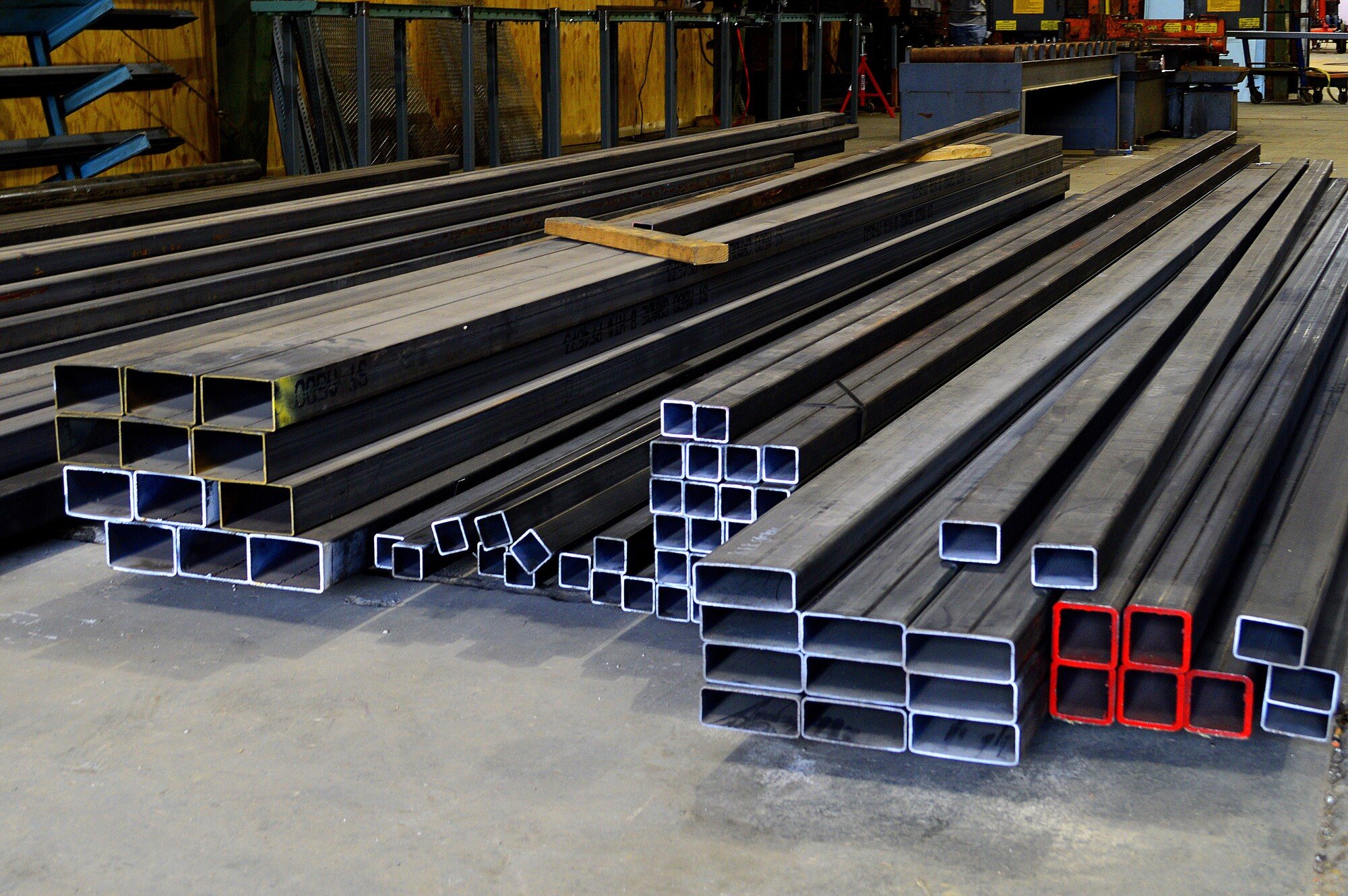
The Importance of Industrial Steel Coatings in Ohio

Ohio is a hub for industrial activity, with a strong presence of manufacturing, construction, and energy sectors. As a result, the demand for industrial steel coatings in the state is on the rise. Industrial steel coatings refer to the application of a protective layer on steel surfaces to prevent corrosion, wear, and tear. This coating can be applied to various types of steel, including pipes, tanks, equipment, and structures. In this article, we will explore the importance of industrial steel coatings in Ohio and the benefits they offer to industries.

1. Corrosion Protection

Corrosion is a major concern for industries that use steel in their operations. Corrosion can lead to equipment failure, downtime, and costly repairs. Industrial steel coatings provide a protective barrier against corrosion, ensuring that steel surfaces remain safe and functional. In Ohio, where the climate is humid and prone to extreme weather conditions, corrosion protection is crucial for industries such as oil and gas, chemical processing, and construction.

2. Wear and Tear Prevention

Industrial steel coatings also prevent wear and tear on steel surfaces. Wear and tear can lead to equipment failure, reduced productivity, and increased maintenance costs. By applying a protective coating, industries can extend the lifespan of their equipment and reduce the need for frequent repairs. In Ohio, where industries such as manufacturing and construction are prevalent, wear and tear prevention is essential for maintaining efficiency and productivity.

3. Improved Durability

Industrial steel coatings can significantly improve the durability of steel surfaces. By providing a protective barrier against corrosion and wear, coatings can extend the lifespan of steel equipment and structures. In Ohio, where industries such as energy and manufacturing are critical to the state’s economy, improved durability is essential for maintaining operations and reducing downtime.

4. Enhanced Aesthetics

Industrial steel coatings can also enhance the aesthetics of steel surfaces. By applying a decorative coating, industries can improve the appearance of their equipment and structures, making them more visually appealing and attractive. In Ohio, where industries such as construction and manufacturing are prominent, enhanced aesthetics can be a major selling point for companies looking to attract customers and improve their brand image.

5. Compliance with Regulations

Industrial steel coatings can also help industries comply with regulations and standards. For example, the Occupational Safety and Health Administration (OSHA) requires employers to provide a safe working environment for their employees. By applying a protective coating, industries can ensure that their equipment and structures meet OSHA standards and regulations. In Ohio, where industries such as manufacturing and construction are subject to strict regulations, compliance with standards is essential for avoiding fines and penalties.

6. Cost Savings

Industrial steel coatings can also provide cost savings for industries. By reducing the need for frequent repairs and replacements, coatings can help industries save money on maintenance and replacement costs. In Ohio, where industries such as energy and manufacturing are critical to the state’s economy, cost savings can be a major benefit for companies looking to reduce expenses and improve their bottom line.

7. Environmental Benefits

Industrial steel coatings can also provide environmental benefits for industries. By reducing the need for frequent repairs and replacements, coatings can help industries reduce their environmental impact. In Ohio, where industries such as energy and manufacturing are major contributors to the state’s environmental footprint, reducing waste and pollution is essential for maintaining a healthy environment.

8. Increased Productivity

Industrial steel coatings can also increase productivity for industries. By reducing downtime and improving equipment performance, coatings can help industries increase their production capacity and meet customer demand. In Ohio, where industries such as manufacturing and construction are critical to the state’s economy, increased productivity is essential for maintaining competitiveness and growth.

9. Improved Safety

Industrial steel coatings can also improve safety for industries. By reducing the risk of equipment failure and improving visibility, coatings can help industries reduce the risk of accidents and injuries. In Ohio, where industries such as manufacturing and construction are subject to strict safety regulations, improving safety is essential for avoiding fines and penalties.

10. Customization Options

Finally, industrial steel coatings offer customization options for industries. By choosing from a range of coatings and application methods, industries can tailor their coatings to meet their specific needs and requirements. In Ohio, where industries such as energy and manufacturing are diverse and complex, customization options are essential for ensuring that coatings meet the unique needs of each industry.

In conclusion, industrial steel coatings are essential for industries in Ohio. By providing corrosion protection, wear and tear prevention, improved durability, enhanced aesthetics, compliance with regulations, cost savings, environmental benefits, increased productivity, improved safety, and customization options, coatings can help industries maintain efficiency, productivity, and competitiveness. As the demand for industrial steel coatings continues to rise in Ohio, it is essential for industries to understand the benefits and importance of these coatings in their operations.

Practical and Helpful Tips:

The Best Advice About I’ve Ever Written